The world as we know it depends on pollination. Without this process, the nearly 300,000 species of seed-producing plants (phanerogams) would not exist. Pollination happens through a mechanism that transfers pollen grains from the male part of a flower — the stamens — to its female part — the stigma — where the pollen germinates and fertilizes the flower’s ovules, making the production of seeds and fruits possible. Every flowering plant faces a challenge each season: ensuring its flowers get pollinated. To achieve this, they have developed different strategies, many of which rely on an animal as an involuntary carrier of pollen. We invite you to discover some of these cases, from the most common to others that may surprise you.
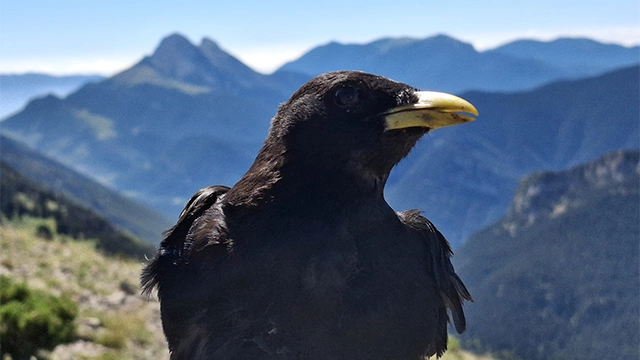
During the three days of the festival, you can visit the outdoor exhibition located next to Tent 2, past the stands in Zone A. There, you’ll be able to see images by Annaïs Pascual, Adrien Lesaffre, Rafa Armada, Marta Albareda, David Tipling, Nicolás Reusens, Javier Rupérez, Oriol Borrut, Sebastià Torrens, Przemysław Zdunek, and Granja San Francisco.
The exhibition is sponsored by Granja San Francisco, a honey specialist that has been working with local beekeepers since 1934 to offer carefully selected honey that is 100% of local origin. Aware of the important role bees play in our ecosystem, they actively collaborate in their preservation and repopulation through the “Polinizando” program.