És compatible la conservació de l’avifauna amb les energies renovables?
Antoni Hernández, Rafel Bosch, Francesc Parés, Claudi Baiges, Francesc Xavier Parellada, Ricard Gutiérrez and Ricard Casanovas
- Edició: DBF 2026
- Day: Saturday 19 September 2026
- Beginnig at: 13:15h
- Ending at: 14:15h
- Agora Marquee
- Catalan
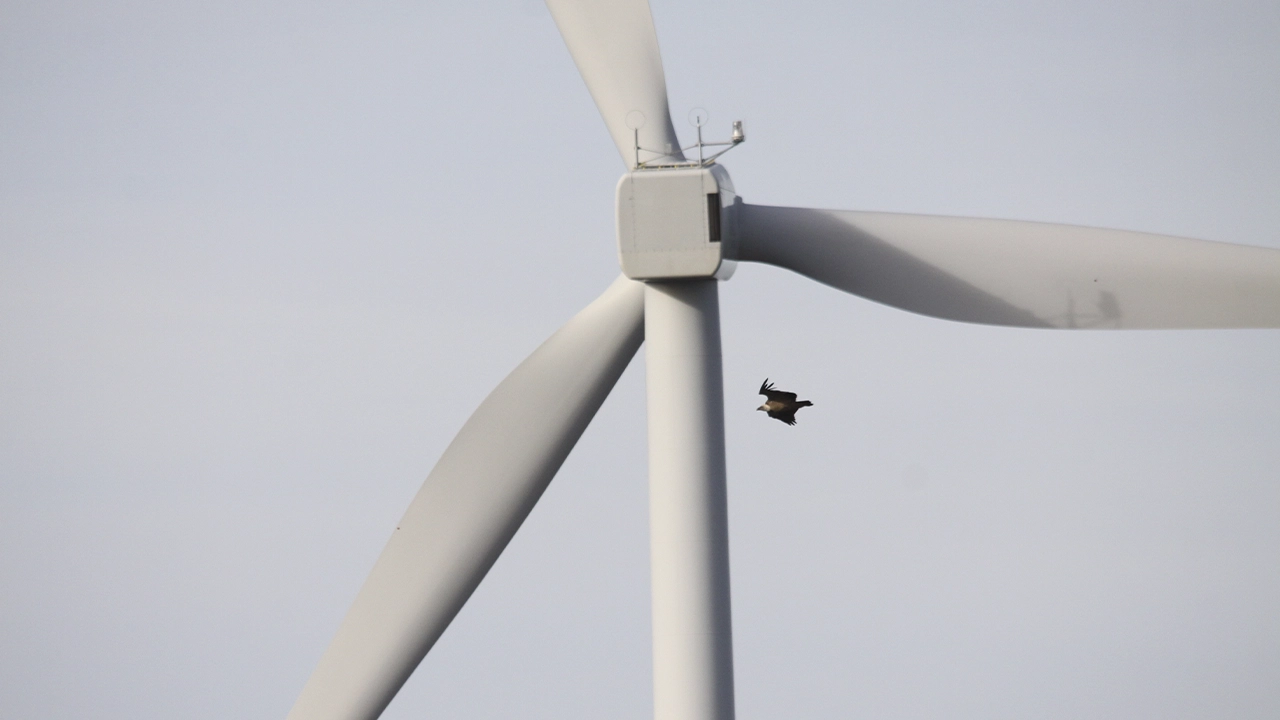
This round table is proposed by the Directorate-General for Environmental Policies and Natural Heritage and will be moderated by Ricard Casanovas, Head of the Fauna and Flora Service of the Directorate-General for Environmental Policies and Natural Heritage of the DTER.
The round table will discuss existing studies and knowledge on bird conservation and renewable energy, monitoring methods and new technologies that can help make them compatible, as well as the current criteria being applied to integrate them. Participants will include:
Antoni Hernández, professor at the Faculty of Biology and the Biodiversity Research Institute (IRBio) of the University of Barcelona (UB).
Rafel Bosch, environmental scientist and environmental consultant.
Francesc Parés, forestry technical engineer and environmental consultant.
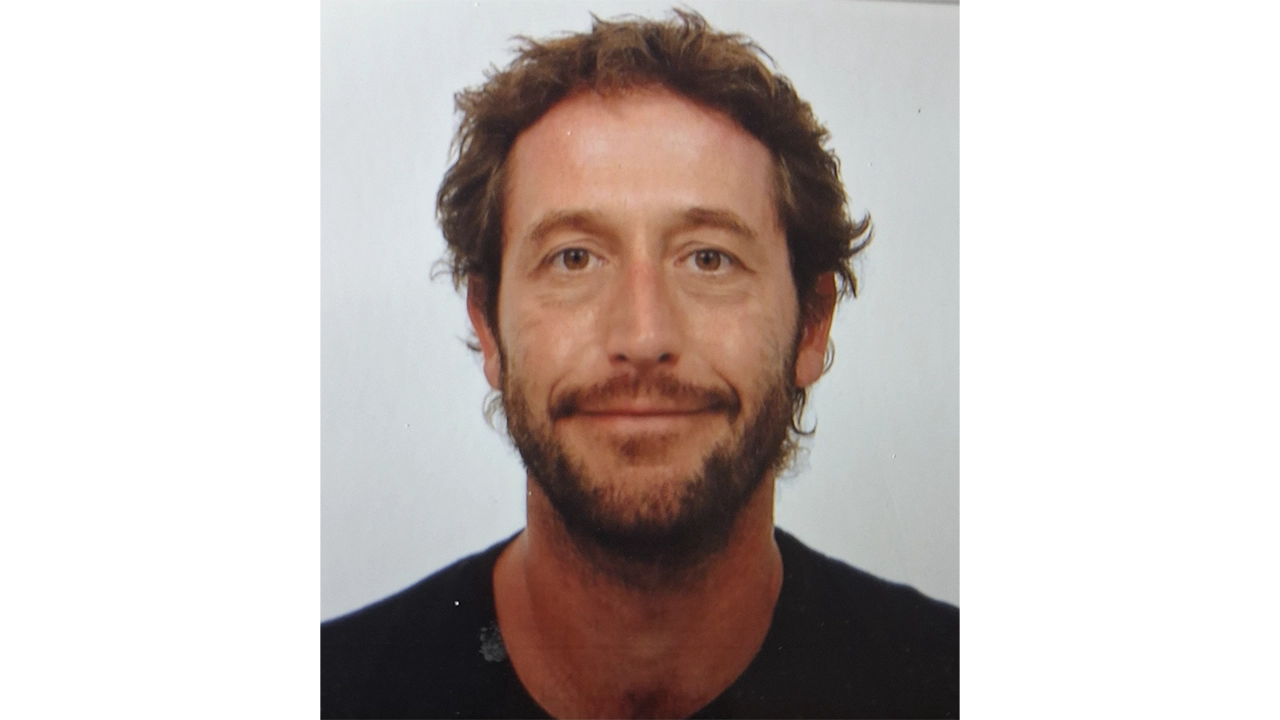
Claudi Baiges, from the Institute for the Conservation of Birds of Prey (ICRA).
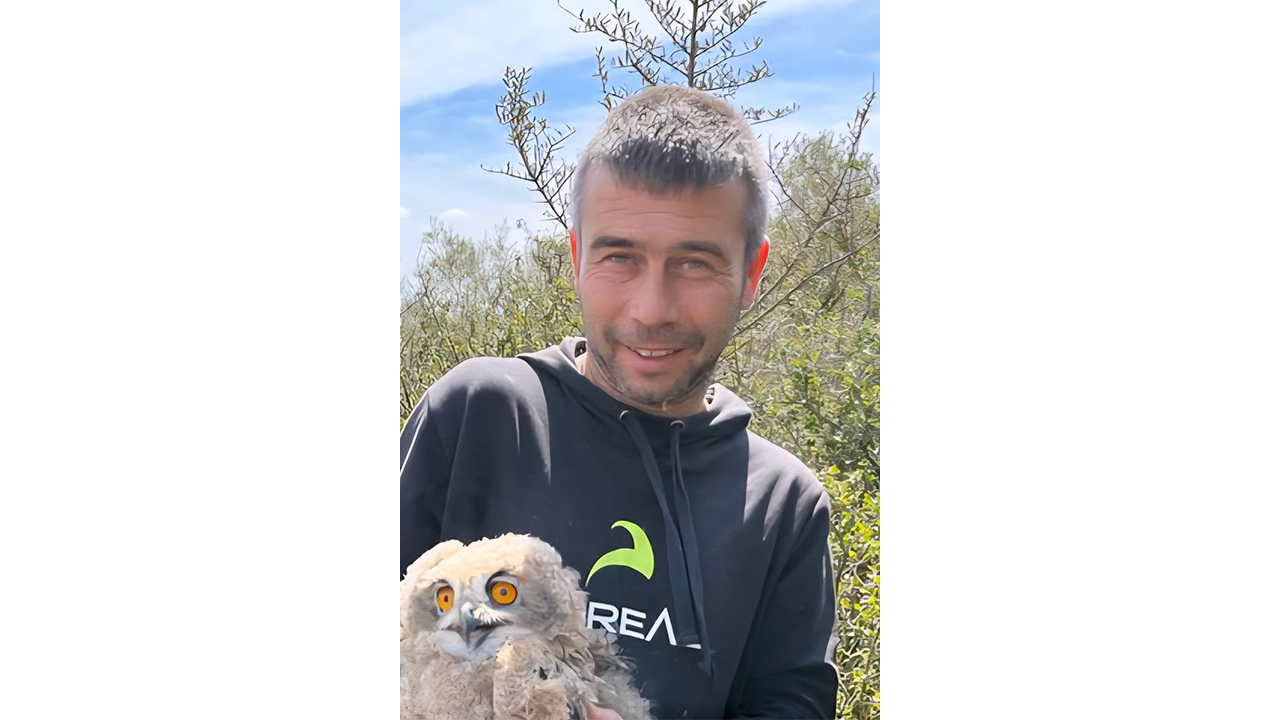
Francesc Xavier Parellada, from the Institute for the Conservation of Birds of Prey (ICRA).
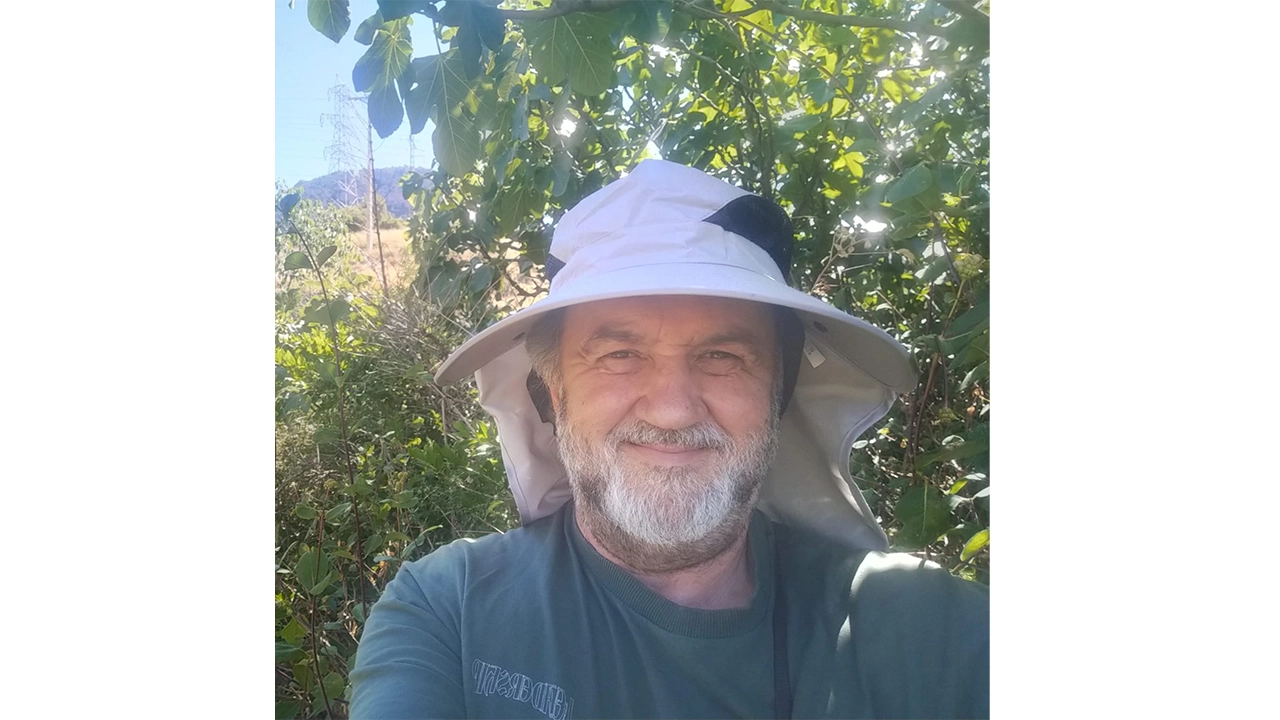
Ricard Gutiérrez, Head of the Fauna Conservation Section of the Directorate-General for Environmental Policies and Natural Heritage of the DTER.
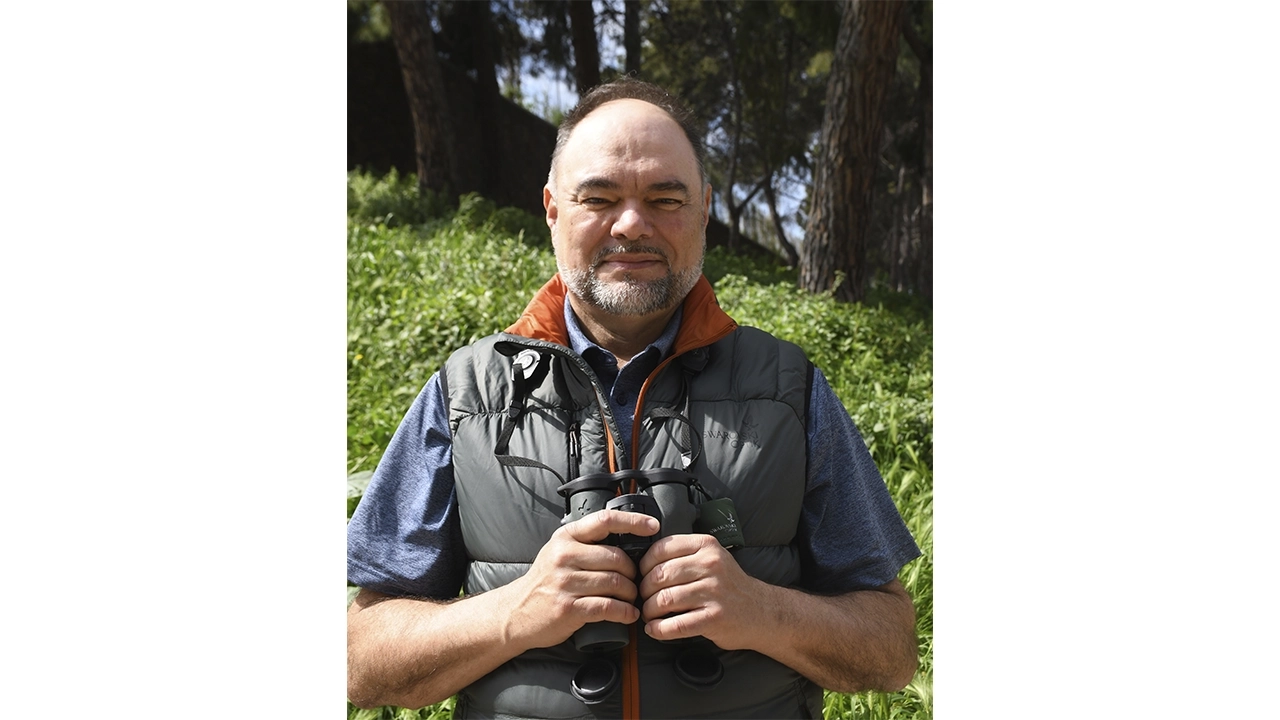
Faced with the current challenges of biodiversity loss as a result of climate change and other processes and threats, the necessary energy transition requires us to reconcile bird conservation with the planning, construction and development of solar photovoltaic plants and wind farms. Renewable energy projects can have significant impacts on the natural environment, particularly on birds and their associated habitats.
In the case of wind farms, the scientific literature clearly shows that wind turbines pose a risk of direct mortality through collisions for various bird species, which can negatively affect their populations. In addition, these facilities involve substantial habitat transformation, as construction and land occupation can result in the effective loss of functional areas for certain species.
In the case of photovoltaic plants, the main impact is the loss of natural habitat, which can also result in an avoidance effect. In principle, these facilities do not cause direct mortality among birds.
Cover photo: Vitorio Pedrochi
Activity type:
DBF talksDays:
Saturday Saturday morningAnother activites
Organitzadors principals
-




PATROCINADOR GLOBAL DEL FESTIVAL

Suport Institucional